
An in-depth exploration of Jueteng, a controversial numbers game in the Philippines, including historical background, societal impact, and current perspectives.
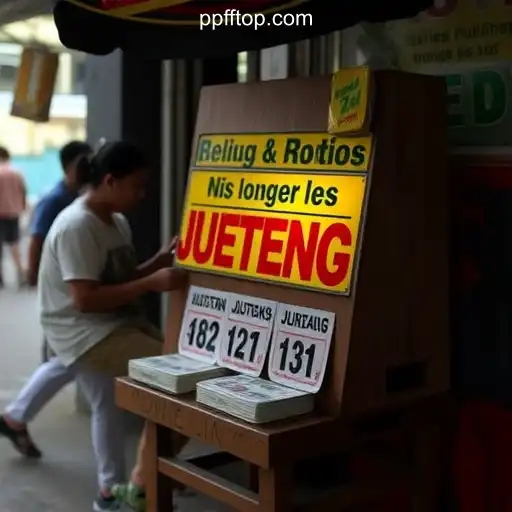
Understanding Jueteng: A Deep Dive into a Controversial Filipino Phenomenon
The Origins of Jueteng
Jueteng is a widely known numbers game that has been a part of Philippine culture for many decades. Often regarded as illegal in the eyes of the government, its deep roots in local society stem from its origins during the Spanish colonial period. Despite various efforts to eradicate it, Jueteng remains pervasive in the country due to its strong cultural and social ties.
Historically, Jueteng started as a form of entertainment for common folks, providing them a chance to try their luck against fate. The game involves betting on a pair of numbers between 1 and 37. Its widespread popularity can be attributed to its simplicity and the promise of instant wealth, as modest investments could potentially yield significant returns.
The Mechanics of Jueteng
Jueteng is not only popular for its simplicity but also for its unique mechanics. Bettors pick two numbers from 1 to 37. A draw is conducted using a tambiolo, a device similar to a lottery drum, which randomly selects two winning numbers. Players win by matching their chosen numbers with the drawn numbers. The allure of easy money makes it particularly attractive to people from lower socio-economic backgrounds.
The game is typically operated by local "cobradores" or collectors who gather bets from participants, distributing winning payouts among successful bettors. These collectors are central to the game's operations, acting as the face of Jueteng in communities.
The Role of Jueteng in Filipino Society
Despite its illegality, Jueteng plays a significant role in many communities across the Philippines. In areas where poverty and unemployment rates are high, the game provides an alternative means of livelihood for some individuals. For many, Jueteng is not just a form of gambling; it is part of the cultural fabric, integrated into community dynamics and often linked with notions of hope and chance.
Jueteng also poses as a social equalizer in certain respects. It allows individuals across various socio-economic strata to participate on relatively equal footing, with no significant skill or experience required to play. This democratization of participation furthers the game's appeal among diverse social groups.
The Controversy and Legal Battles Surrounding Jueteng
Jueteng has been at the center of numerous controversies in the Philippines, primarily due to its illegal status. Despite longstanding governmental efforts to curb its prevalence, the game continues to thrive underground. Crackdowns by law enforcement have often proven ineffective, as the local enforcement can become compromised due to corruption and bribery. Jueteng thrives on its ability to exploit such systemic weaknesses.
Political figures have been implicated in Jueteng scandals from time to time, highlighting its deep entanglement with power structures. Allegations of protectionism and bribery often surface, indicating that Jueteng operators may wield significant influence behind the scenes.
Alternative Solutions and Games
Given Jueteng's challenging nature for regulation, various solutions have been proposed over time. One approach has been the introduction of alternative, legal gambling options designed to attract Jueteng patrons. State-sanctioned numbers games, like the PCSO's "Small Town Lottery" (STL), offer similar experiences under regulatory oversight. However, the success of these alternatives varies, with many failing to replace Jueteng decisively.
Interestingly, beyond traditional gambling alternatives, new-age solutions are emerging in the form of online platforms such as PPFF Oficial - O melhor cassino online do Brasil🍀. These alternatives present regulated and secure options for gamblers looking to satisfy their urges legally, illustrating the enduring demand for gambling solutions across cultures. Exploring regulated platforms could lead to a reduction in illegal gambling and associated criminal activities.
Community Perspectives and the Way Forward
The divisive nature of Jueteng often underscores the conflict between cultural traditions and legal frameworks. Many community members, despite acknowledging its illegality, remain supportive of Jueteng due to the economic and social roles it plays. For any solution to succeed, it must address both the legal concerns and the social dependency bred by the game.
Dialogue and cooperation between the government, business sectors, and community leaders could pave the way for sustainable solutions. Through community education, economic development initiatives, and the introduction of responsible gaming options, a comprehensive approach can potentially reduce reliance on illegal gambling practices.